
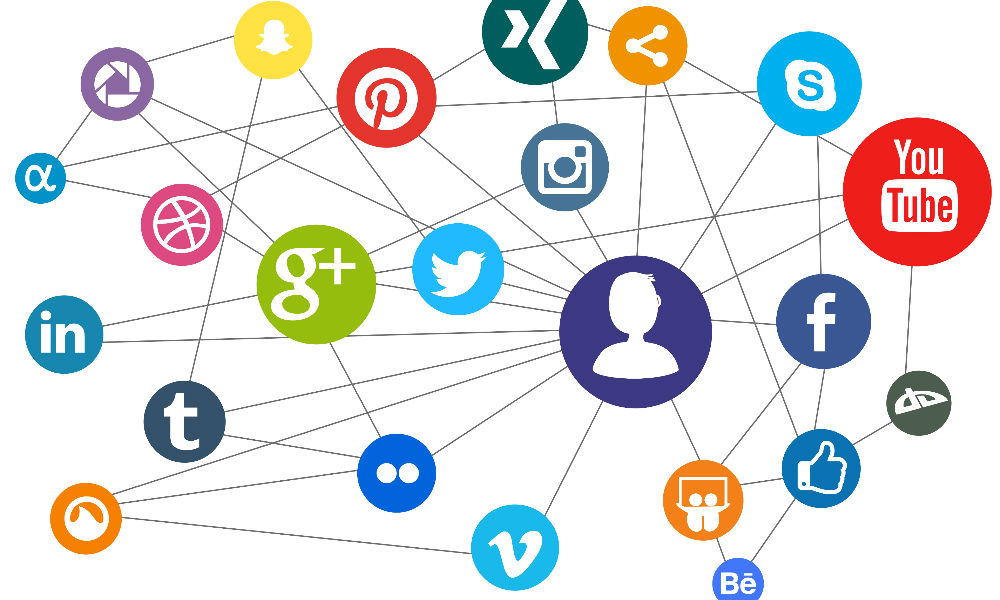
Choosing Right Social Media Platforms:
“I need to be present on every single social media platform available!”
“My competitor is on this platform, we should be on this platform too!”
“We can just use the same content strategy for all the social media platforms!”
Do these questions come to your mind?
Choosing the right Social Media Platforms for your business is critical.
Whether it’s B2B or B2C, there’s a Platform that is right for your business and suited for the content you want to share with your target audience.Choosing the right platform is a strategic decision that requires careful consideration of your business goals, target audience, and available resources. There’s no one-size-fits-all approach. .
Here is an industry-specific guide on choosing social media. Check which category your business falls into and what the best social media platform applicable for that industry is.
Social Media Platforms For Retail and E-commerce
Best Platforms: Instagram, Pinterest, TikTok
Focus: Visual product showcase
Key Strategies:
- High-quality imagery
- Shopping tags
- Quick Product Demo
- Influencer Marketing
Best For: Fashion Brands, Beauty Products, Lifestyle Accessories,Home Decor Brands. Gifts and Craft Stores,DIY products
Social Media Platforms For Technology and Software
Best Platforms: LinkedIn, Twitter, YouTube
Focus: Thought leadership Articles , Technical demonstrations
Key Strategies:
- Detailed product tutorials
- Industry insights
- Professional networking
- Expert Panel Discussion
- Tech News and Updates
- Technical trouble shooting
Best For :B2B Technology Companies, Tech Start Ups, B2C Software Providers , Enterprise Tech Solution Companies
Social Media Platforms For Professional Services
Best Platforms: LinkedIn, Twitter,Youtube
Focus: Professional credibility
Key Strategies:
- Industry research
- Professional Networking
- Expert insights
- Client Success Stories
Best For: Management Consultants, Financial Advisors, Legal Farms, Business Coaches, Life Skill Coaches, Social Media Coaches
Social Media Sites For Healthcare Services
Best Platforms: LinkedIn, Facebook, Instagram
Focus: Education, community building
Key Strategies:
- Patient education
- Professional networking
- Wellness content
- Visual Health Tips
- Patient Testimonials
Best For: Hospital and Healthcare providers,Specialized Medical service Providers,Pharmaceutical and Biotechnology Companies
Social Media Platforms For Hospitality and Tourism Industry
Best Platforms: Instagram, Pinterest, TikTok
Focus: Visual experiences
Key Strategies:
- Destination marketing
- Travel inspiration Boards
- User-generated content
- Hotel Showcases
- Restaurant Imagery
- Event Promotions
Best For: Hotels, Restaurants, Travel agencies, Tour Operators,Travel Bloggers
Social Media Sites For Food and Restaurant Industry
Best Platforms: Instagram, TikTok, Pinterest
Focus: Visual culinary experiences
Key Strategies:
- Food photography
- Quick Recipe Videos
- Behind-the-scenes content
- Restaurant Trends
- Cooking Hacks
Best For: Restaurants and Dining Establisments,Food Service Professionals like Chefs, Food Bloggers, Food Critics, Food Related Business like catering, Food Retail and Distribution Companies
Social Media Platforms For Education and Training Industry
Best Platforms: LinkedIn, YouTube, Facebook
Focus: Learning and professional development
Key Strategies:
- Course previews and promotions
- Educational and skill development content
- Community learning
- Student Success Stories
- Alumni Networking
Best For: Educational Institues, Online Learning Platforms,Corporate Training Companies
Social Media Channels For Real Estate Industries
Best Platforms: Instagram, Facebook, LinkedIn
Focus: Property showcase
Key Strategies:
- Virtual tours
- Local community targeting
- Professional networking
- Client Testimonials
- Market Trend Analysis
Best For: Real Estate Agents, Real estate Investment Companies, Real Estate Developers, High end and luxury property specialists
Social Media Platforms For Creative Industries
Best Platforms: Instagram, Tiktok, Behance
Focus: Creative Project Highlightrs
Key Strategies:
- Design Showcase
- Trending Creative Challenges
- Behind The Scenes Creativity
Best For: Graphic Design Firms, Advertising and Marketing Agencies,Film and Video Production Companies,Photography and Visual Art Studios,Music and Entertainment Production Companies
The Golden Rule Behind Choosing the Right Platform : Quality Over Quantity
- Consistent, high-quality content
- Genuine audience engagement
- Strategic, goal-oriented approach
- Authentic brand representation
Factors to Consider When Choosing :
1. Know Your Target Audience
The most critical step in selecting social media platforms is understanding your target demographic.
Consider:Age range,Location,Interests,Online behavior,Professional background
Different platforms attract different user groups:
- Facebook: Broad age range, 25-65
- Instagram: Younger audience, 18-34
- LinkedIn: Professional, B2B focus
- TikTok: Gen Z and younger millennials
- Pinterest: Predominantly female audience
- Twitter: News-oriented, professional networking
2. Analyze Your Business Type and Industry
Your business type significantly influences platform selection:
- B2B or B2C Companies
- Retail and E-commerce
- Service-Based Businesses
- Creative Business
3. Content Type and Creation Capacity
Different platforms require different content strategies:
- Instagram: High-quality visual content
- LinkedIn: Professional, text-heavy posts
- TikTok: Short, engaging video content
- YouTube: Longer, more produced videos
- Twitter: Concise, timely updates
You need to assess your team’s:Creative skills,Time availability,Content production capabilities,Budget for content creation
4. Engagement and Interaction Goals
Consider your primary communication objectives:
- Brand awareness
- Customer support
- Lead generation
- Community building
- Sales conversion
Each platform offers unique interaction opportunities:
- Facebook: Community groups
- Twitter: Real-time customer service
- LinkedIn: Professional networking
- Instagram: Visual storytelling
- TikTok: Viral content potential
5. Resources and Budget
Social media marketing requires investment:
- Time for content creation
- Design resources
- Potential advertising budget
- Analytics and management tools
Evaluate your capacity to Consistently produce content,Engage with followers,Manage multiple platforms and Invest in paid advertising.
6. Competitive Analysis
Research your competitors’ social media presence:
- Which platforms are they using?
- What type of content performs well?
- Where is their audience most engaged?
- Identify potential gaps or underutilized platforms
Final Thoughts
Social media is not about being everywhere—it’s about being where it matters most for YOUR business. It’s a marathon, not a sprint.It’s better to excel on two or three platforms than to have a mediocre presence across many.
